
J&L Berkeley Concrete CompanyJ&L Berkeley Concrete Company(510) 345-1330

Concrete Contractor in Piedmont, CA - Driveways, Steps and Walls on a Solid Base

J&L Berkeley Concrete Company is a concrete contractor based in Berkeley, CA, and we pour driveways, patios, steps, walkways, retaining walls and foundations for homes in Piedmont, with the owner running every job.

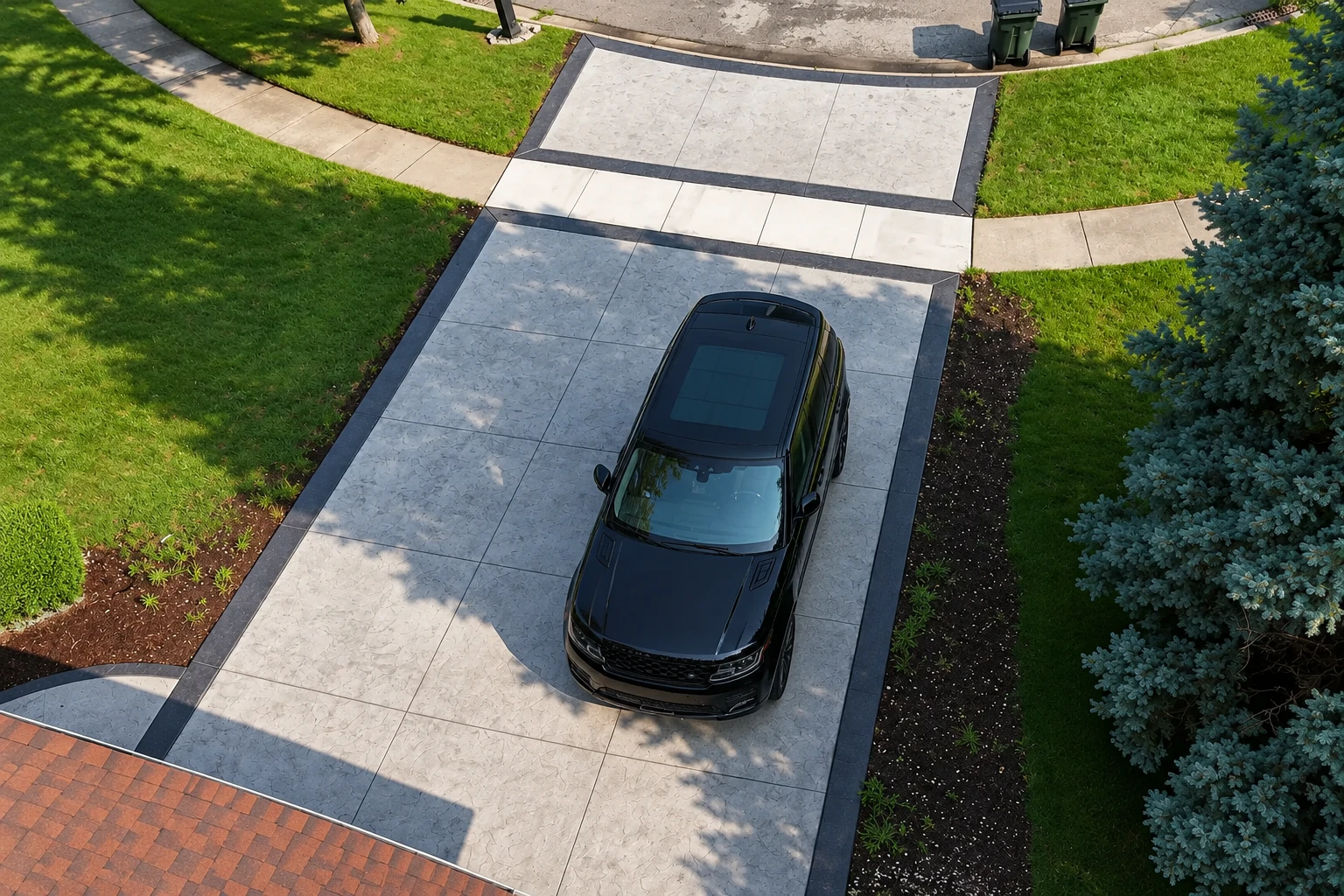
Concrete driveway with pale rectangular slabs and dark edging, viewed from above with a black car parked on it.

What concrete work in Piedmont usually looks like for us

Piedmont is a small, mostly residential city with Oakland all around it, and it's a short drive over from our base in Berkeley. Many of the houses are older, and most calls from here are about the concrete around them. That might be a driveway that's cracked or sunk at one end, steps up from the street, a patio out back or a wall holding up part of the yard.

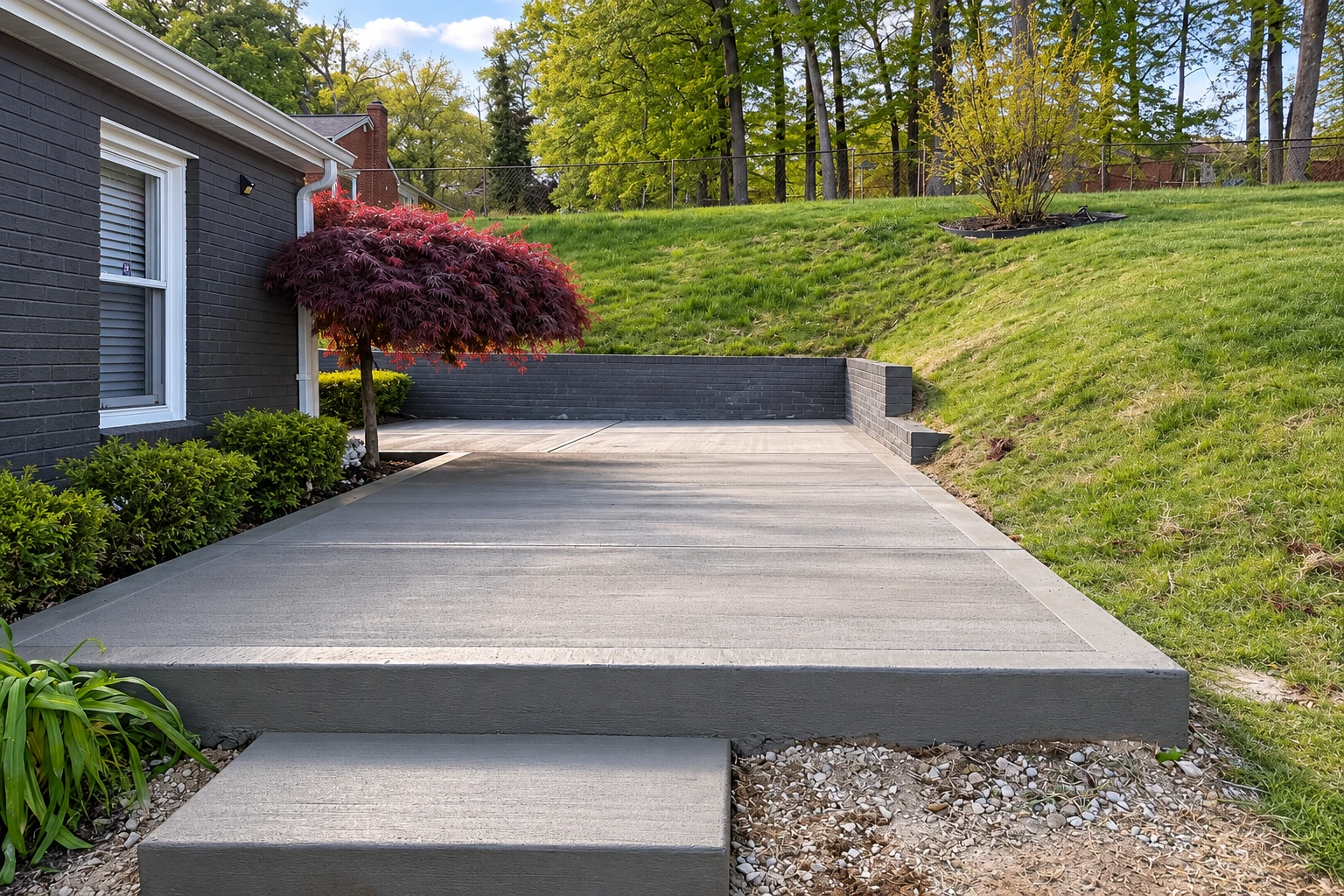
What shapes the job here is usually the slope, because a lot of these lots aren't flat and water always finds the low side. So I look at where the water runs and what the old concrete sat on before we talk about finishes, the same way we'd start a job in Pinole.

Concrete work we do for Piedmont homes and yards

We do the full range of concrete work for Piedmont homes. That runs from flatwork, the flat pours like driveways, patios and walks, to steps, walls and foundations. Every job starts the same way. I come out, look at the ground, the slope and where the water goes, and talk it over with you before anything gets priced. Then our crew forms, pours and finishes with me running the job, so the plan you heard on site is the one that gets built.

  • Concrete driveway building

    When an older driveway here cracks or sinks, the base under it usually wasn't packed. We dig out, compact a new base and pour a slab that sheds water away from the garage.

    Explore service
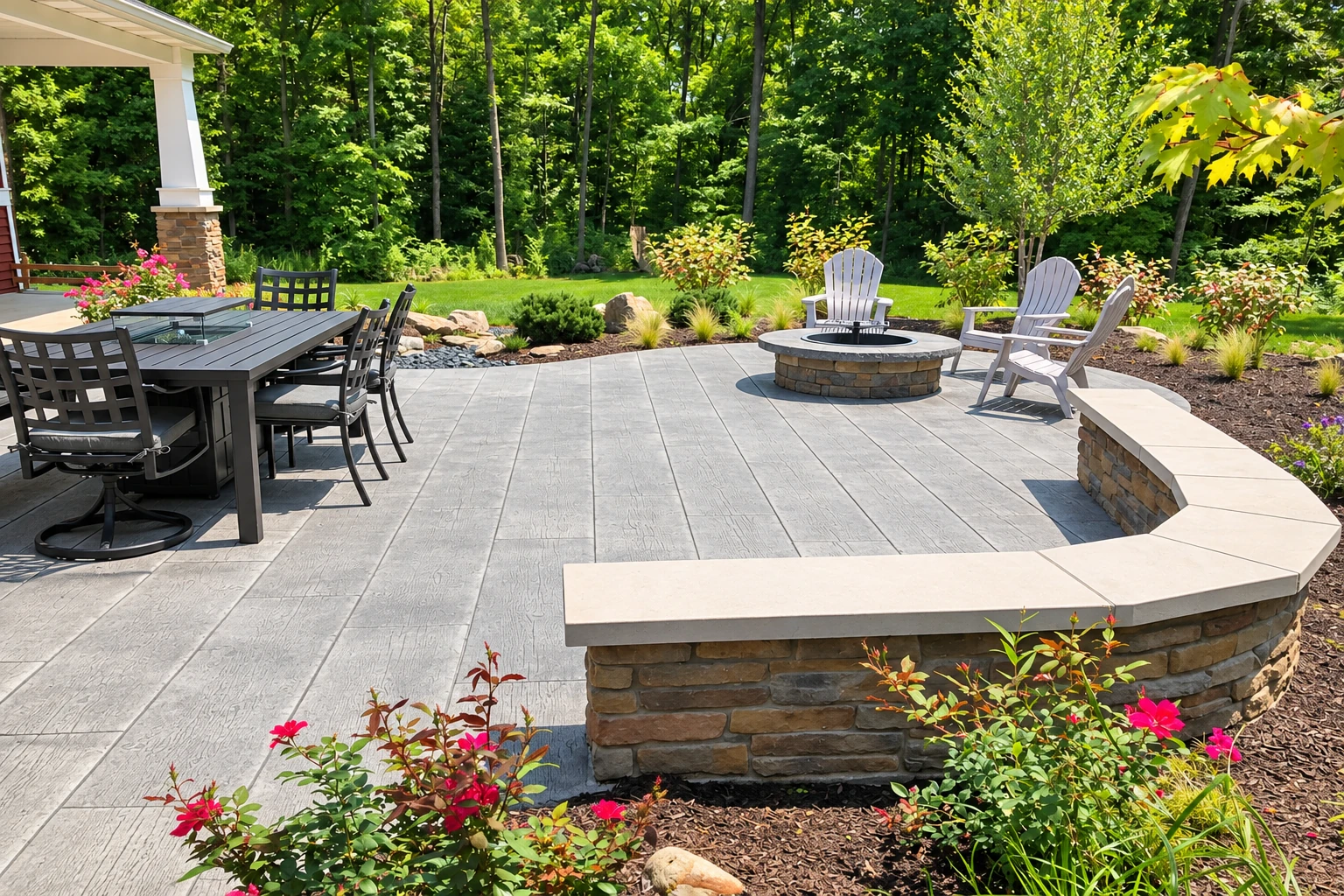
  • Concrete patio construction

    A patio on a sloped yard has to send water away from the house. We set that fall first, then pour with a broom finish, a brushed texture that gives your feet grip.

    Explore service
  • Stamped concrete services

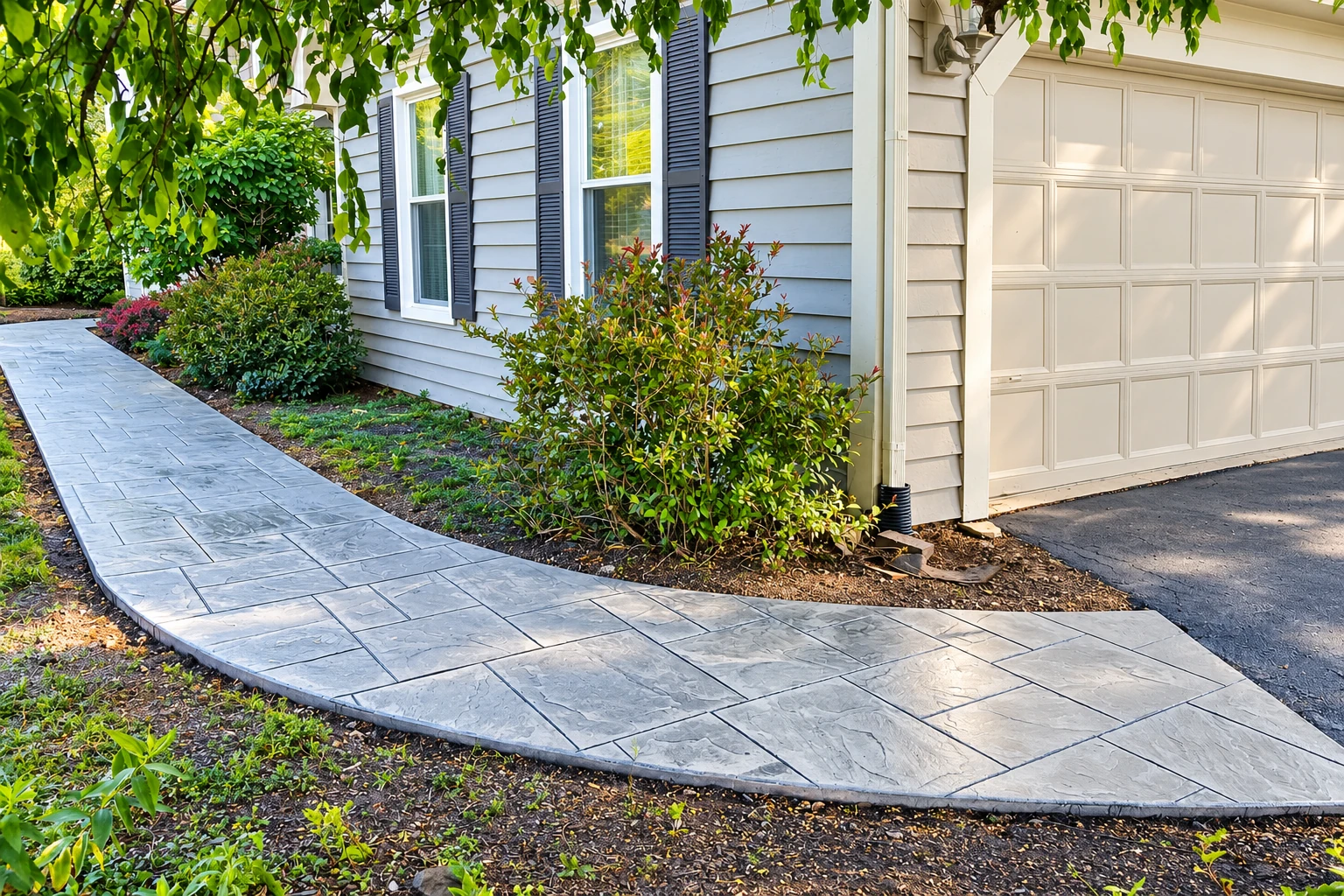
    Some owners of older homes want a patio or walk that looks like stone or brick. We press pattern and color into fresh concrete, over the same packed base as a plain slab.

    Explore service
  • Concrete sidewalk building

    Front walks that heave or settle turn into trip spots. We replace the run on a new base and cut control joints, shallow grooves that give cracks a place to land.

    Explore service
  • Garage floor concrete

    Garage floors in older houses are often thin, cracked or pitted from decades of use. We break out the old floor, rebuild what it sits on and pour a new slab that drains toward the door.

    Explore service
  • Decorative concrete

    A plain gray slab can look out of place beside an older house. We add color, exposed stone or a scored pattern, and talk through upkeep with you before we pour.

    Explore service
  • Concrete retaining walls

    Yards with a grade change need walls that hold the soil and let water out. We build them with rebar, the steel that ties the wall together, and drainage behind.

    Explore service
  • Concrete floor installation

    Basements, workshops and additions need an interior floor that's flat and dry. We prepare the ground, lay a vapor barrier where the floor calls for one and trowel the slab smooth.

    Explore service
  • Concrete pool decks

    A pool deck takes wet feet and splashing all season, so it needs grip and drainage. We pour it with a textured finish and slope it away from the pool and the house.

    Explore service
  • Concrete steps construction

    Many homes here sit above or below the street, so the front steps carry traffic every day. We form even risers and reinforce the steps so they stay together as one piece.

    Explore service
  • Slab foundation building

    New garages, studios and additions often sit on a slab foundation. We dig, compact and reinforce the ground underneath, then pour the slab to the plans your designer drew.

    Explore service
  • Foundation installation

    Older houses sometimes need a new or replacement foundation under part of the structure. We excavate, form and pour to the engineer's plans, with me on site running the work.

    Explore service
  • Concrete parking lot building

    Shared or larger parking areas carry more cars and more runoff than a home driveway. We plan the slab and drainage for that load, then pour in sections you can keep using.

    Explore service
  • Concrete footings

    Decks, posts, walls and additions rest on footings, the concrete pads that spread weight into the ground. We dig to solid soil and size each footing to what sits on it.

    Explore service
  • Foundation raising

    When part of a house settles, floors tilt and doors start to stick. We find what's causing it first, then lift and support the foundation to bring it back toward level.

    Explore service
  • Concrete cutting

    Old slabs, new doorways and utility trenches all need clean cuts through existing concrete. We saw-cut along marked lines so the concrete you keep stays whole and the edge is neat.

    Explore service

Working in Piedmont: permits, contractors and what moves your price

Piedmont jobs start with the city's permit, so this covers who issues it, what to check about a contractor and what drives your price. It's the same talk I'd give you standing in your driveway.

The city's permit usually sets the start date

The City of Piedmont issues building permits for most construction projects and repairs, and it's the city that makes sure what gets built is safe. For you, that means the permit usually decides when we can start. Permits that need plans and review can take several weeks or months, so on a Piedmont job I plan around that wait, not around our crew's calendar.

Before you hire anyone, look them up with the Contractors State License Board, the state board that licenses and regulates construction work in California. On our side, I look up which office covers your address before I price the job. When a permit applies, we handle the application and set up the inspections with you, so you know who's coming and when.

  • Larger or complicated projects may need Planning Commission or City Council approval first.
  • Street, sidewalk or runoff work can need an encroachment permit from Public Works.
  • Work off the permit list still has to meet code and may be inspected.

What moves the price and the schedule

Price comes down to how much digging and forming the job needs, not just its size. Breaking out and hauling the old slab, digging the base out and packing it, building forms on a slope and getting concrete to the back of a lot all add labor. The finish matters too, and so does rebar, the steel inside that keeps a cracked slab from pulling apart.

The schedule turns on the permit wait first, then the pour and the curing, the stretch when fresh concrete gains strength and has to be left alone. You'll be walking on it well before you can drive on it, and I'll tell you how long each wait is for your slab when I come out. All of this gets spelled out on site before you decide anything.

  • Stamped or colored finishes cost more than a plain broom finish.
  • Steep lots usually need more base work, forming and drainage than flat ones.
  • A driveway slab built for cars costs more than a patio slab.

Get a free written concrete estimate for your Piedmont home

Send the form or call (510) 345-1330, and we'll reply within one business day to set a time. I come out to your Piedmont property myself, walk the job with you and give you a free written estimate, with no obligation to book.

(510) 345-1330

What we see on Piedmont driveways, yards and steps

These are the conditions I run into most around homes in Piedmont, and each one changes how we plan the work. None of them is unusual, but every one is easy to miss if nobody looks.

  • Yards that slope toward the house

    When a yard runs downhill toward the house, a new patio or walk has to turn that water. I look at where rain goes now, where it pools and where the downspouts empty, and we set the slab's fall so water heads away from the foundation instead of under it.

  • Driveways that sank with the dirt

    A driveway that dropped at one end usually sat on dirt that was raked level and never packed. Pouring new concrete over that just repeats the problem, so we dig the old base out to firm ground, bring in fresh base rock and compact it before we form anything.

  • Steps between the street and door

    Plenty of homes here sit up or down from the street, so the front steps get used every day and show every crack. We check whether old steps are settling or pulling away from the house, then rebuild them with even risers so nobody misjudges a step.

  • Low walls holding back the yard

    Many yards have a short wall holding back the grade, and when one leans, it's usually water pushing from behind. We build new walls with drainage behind them and weep holes, small openings through the wall, so water gets out instead of building up pressure.

  • Tight access on older lots

    Older lots weren't laid out with a concrete truck in mind, so reaching a back yard can take a pump or a line of wheelbarrows. I check the route at the estimate, because it decides how we stage the pour and how many hands we need that day.

How we run a concrete job from estimate to cleanup

These are the habits behind every job we take on, and the things you can check before you hire us. None of it is complicated, but it's the part that decides how your concrete holds up.

We spend the money where nobody looks later

The base under a slab is the part you never see after the pour, which is why it's the first thing people want to cut when a budget gets tight. I won't cut it. A nice finish on a weak base still cracks and settles, and you can't fix the base later without tearing out the concrete on top of it.

So your estimate spells out the base, the drainage and the control joints right alongside the finish, and I'll sketch it out if that helps. Concrete cracks, and nobody can honestly promise you a crack-free slab. What we can do is pack the ground, pour early instead of in the midday heat and cut the joints on time, so any crack lands where we chose.

  • Licensed in California, fully insured

    We're licensed and fully insured. Look any contractor up with the state license board before you sign, us included, and ask for proof of insurance so you know who's covered if something goes wrong on your property.

  • The owner gives every estimate

    I come out myself to look at every job and give the estimate, and I run the job while our crew forms, pours and finishes. The person who priced your work is the same one answering for it on pour day.

  • Written estimates you can compare

    Your estimate comes in writing, with the base, the slab, the finish and any permit steps listed separately. That way you can hold it next to other bids line by line and see where they differ, instead of comparing one total against another.

  • Pouring East Bay concrete since 2017

    I started this business in Berkeley in 2017, and we work in Berkeley and the cities around it across the East Bay. Your satisfaction, guaranteed. To talk your project over, call (510) 345-1330 or use the form on this page.

Questions Piedmont homeowners ask before a concrete job

These come up on most calls from Piedmont, and most of them are about the city's permits. If your question isn't here, ask me when I come out to look at the job.

Does a concrete driveway or patio need a permit in Piedmont?

Plan on a permit, because the city requires one for most construction projects and repairs, and its no-permit list covers painting, papering, carpeting and some tiling, not concrete. Patios, hardscape, exterior site stairs and site drainage fall under the city's site improvement permit. Most above-ground exterior changes also need design review approval before that permit.

How do I get a building permit for concrete work in Piedmont?

You apply online with the city, and only a properly licensed California contractor or a property owner acting legally as an owner-builder can be the applicant. Site improvement applications also need a contractor or owner-builder declaration for every project. If you hire us, we file it for you.

How do I know if my retaining wall needs a permit in Piedmont?

The city's no-permit list includes retaining walls no taller than 30 inches, measured from the top of the grade to the top of the wall, unless the wall holds back extra weight like a driveway or a slope above it. That isn't the whole answer, because a project that needs design review needs a building permit even when the work otherwise wouldn't. We check your wall against both when we look up your address.

What hours can contractors work in Piedmont, CA?

The city allows construction Monday through Saturday from 8 a.m. to 6 p.m., and Sunday from 9 a.m. to 6 p.m. We plan pour days so the finishing and cleanup are done inside those hours.

How much does a new concrete driveway cost in Piedmont?

Your price comes from a written estimate after I've seen the driveway, because its size, the base work, the slope and how much old concrete comes out move the cost more than anything else. In Piedmont, add the permit, which the city prices by permit type and the job's value, and any design review time before we can pour.

What happens if I pour concrete without a permit in Piedmont?

The city says work done without a permit may bring a fine and the need to undo the work. With concrete, undoing it usually means breaking out a slab you've already paid for, so it's far cheaper to get the permit before the pour.

Service areas

We're based in Berkeley and work across the East Bay, including the cities listed here, though they aren't the only places we go. If you don't see your city, call (510) 345-1330 or send the form and ask.

Ask about your location
(510) 345-1330Get an estimate